01
Software Architecture Fundamentals & Role Clarity
Before diving into deep technical rounds, panels want to confirm you can articulate what the Architect role actually is, how it differs from adjacent roles, and the vocabulary the rest of the guide builds on.
Q14. Name five common non-functional requirements.
Q26. What is a layered architecture?
Q27. What is client-server architecture?
Q28. What is event-driven architecture in simple terms?
Q29. What is separation of concerns?
Q30. What is coupling in software architecture?
Q31. What is cohesion in software architecture?
Q34. What is encapsulation?
Q35. What is a design principle every architect should know?
Q36. What is the difference between architecture and infrastructure?
Q37. What is a reference architecture?
Q38. What is architectural governance?
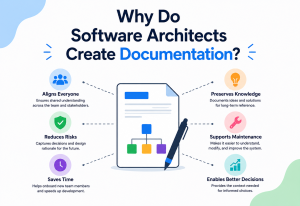
Q39. Why do architects create documentation?
Q40. What is an Architecture Decision Record (ADR)?
Q41. What is UML and why do architects use it?
Q42. What is a sequence diagram used for?
Q43. What is a component diagram used for?
Q45. How does an architect work with stakeholders?
Q46. What soft skill matters most for architects, beyond technical knowledge?
Q47. What is a trade-off in architecture?
Q48. Why cannot a system be optimized for everything at once?
Q49. What is the CAP theorem, in simple terms?
Q50. Why should an architect stay hands-on with code, even a little?
02
OOP, SOLID Principles & Design Patterns
Object-oriented thinking and design patterns are the shared vocabulary architects use to reason about trade-offs quickly. These fundamentals resurface constantly, even in distributed-systems rounds.
Q51. What are the four pillars of OOP?
Q52. What is inheritance in OOP?
Q53. What is polymorphism?
Q54. What is the difference between an abstract class and an interface?
Q55. What does SOLID stand for?
Q56. What is the Single Responsibility Principle?
Q57. What is the Open/Closed Principle?
Q58. What is the Liskov Substitution Principle?
Q59. What is the Interface Segregation Principle?
Q60. What is the Dependency Inversion Principle?
Q61. What is a design pattern?
Q62. What are the three main categories of design patterns?
Q63. What is the Singleton pattern?
Q64. What is a downside of overusing the Singleton pattern?
Q65. What is the Factory pattern?
Q66. What is the Builder pattern?
Q67. What is the Observer pattern?
Q68. Where is the Observer pattern commonly used?
Q69. What is the Strategy pattern?
Q70. What is the Adapter pattern?
Q71. What is the Decorator pattern?
Q72. What is the Facade pattern?
Q73. What is the difference between the Adapter and Facade patterns?
Q74. What is the MVC pattern?
Q75. Why is MVC popular for web applications?
Q76. What is the MVVM pattern?
Q77. What is dependency injection?
Q78. Why does dependency injection help with testing?
Q79. What is an anti-pattern?
Q80. What is the “God Object” anti-pattern?
Q81. What is “spaghetti code”?
Q82. What does “composition over inheritance” mean?
Q83. Why can deep inheritance hierarchies be problematic?
Q84. What is the DRY principle?
Q85. What is the KISS principle?
Q86. What is the YAGNI principle?
Q87. What is immutability, and why does it matter in design?
Q88. What is a value object?
Q89. What is the difference between composition and aggregation?
Q90. What is polymorphism used for in real architecture?
Q91. What is the Template Method pattern?
Q92. What is the Command pattern?
Q93. What is the Proxy pattern?
Q94. What is domain-driven design (DDD), briefly?
Q95. What is a “bounded context” in DDD?
Q96. Why do architects care about design patterns at all?
Q97. Can too many design patterns hurt a system?
Q98. What is loose coupling, and how do design patterns help achieve it?
Q99. What is the role of interfaces in achieving good architecture?
Q100. How would you explain “programming to an interface, not an implementation” to a junior developer?
03
System Design Basics — High-Level Design Concepts
System design rounds are the centrepiece of most Architect interviews. This chapter is the vocabulary you must be fluent in before attempting any actual design problem.
Q101. What is High-Level Design (HLD)?
Q102. What is Low-Level Design (LLD)?
Q103. What is the first thing you should do in a system design interview?
Q104. Why is scoping the problem important in system design?
Q105. What is capacity planning in system design?
Q106. What is a load balancer?
Q107. What are the two common types of load balancing?
Q108. What is horizontal scaling?
Q109. What is vertical scaling?
Q110. Why is horizontal scaling generally preferred for large systems?
Q111. What is a stateless service?
Q112. Why do architects prefer stateless services when designing for scale?
Q113. What is caching?
Q114. What is cache invalidation?
Q115. Why is cache invalidation considered a hard problem?
Q116. What is a Content Delivery Network (CDN)?
Q117. What is latency?
Q118. What is throughput?
Q119. What is the difference between latency and throughput?
Q120. What is a single point of failure (SPOF)?
Q121. What is redundancy in system design?
Q122. What is failover?
Q123. What is a health check?
Q124. What is disaster recovery?
Q125. What is RTO in disaster recovery?
Q126. What is RPO in disaster recovery?
Q127. What is a rate limiter?
Q128. Why might a system need a rate limiter?
Q129. What is idempotency?
Q130. Why does idempotency matter in distributed systems?
Q131. What is a circuit breaker pattern?
Q132. What is graceful degradation?
Q133. What is backpressure in system design?
Q134. What is eventual consistency?
Q135. What is strong consistency?
Q136. When would you choose eventual consistency over strong consistency?
Q137. What is sharding?
Q138. What is a common way to decide how to shard data?
Q139. What is replication in databases?
Q140. What is the difference between sharding and replication?
Q141. What is a message queue used for?
Q142. Why use asynchronous processing in system design?
Q143. What is a bottleneck in a system?
Q144. How do you find a bottleneck in a system?
Q145. What is vertical partitioning?
Q146. What is horizontal partitioning?
Q147. What is a service-level agreement (SLA)?
Q148. What is back-of-the-envelope estimation in system design interviews?
Q149. Why do interviewers ask you to draw diagrams during system design rounds?
Q150. What should you do if an interviewer pushes your design to 100x scale?
04
Microservices & Distributed Systems
Most modern Architect roles revolve around distributed service-oriented systems. Interviewers expect you to reason honestly about the patterns, benefits and hidden costs.
Q151. What is a microservices architecture?
Q152. What is the main advantage of microservices over a monolith?
Q153. What is a disadvantage of microservices?
Q154. When would you recommend staying with a monolith instead of microservices?
Q155. What factors should guide the monolith vs microservices decision?
Q156. What is a “distributed monolith”?
Q157. What is service discovery?
Q158. Why is service discovery needed in microservices?
Q159. What is an API Gateway?
Q160. What problem does an API Gateway solve for clients?
Q161. What is inter-service communication?
Q162. What is synchronous communication between services?
Q163. What is asynchronous communication between services?
Q164. What are the trade-offs between synchronous and asynchronous communication?
Q165. What is service orchestration?
Q166. What is service choreography?
Q167. What is the Saga pattern?
Q168. Why cannot microservices easily use traditional distributed transactions?
Q169. What is a compensating transaction?
Q170. What is the Strangler Fig pattern?
Q171. Why is the Strangler Fig pattern useful for migrations?
Q172. What is a bounded context in microservices?
Q173. How should microservice boundaries typically be drawn?
Q174. What is the database-per-service pattern?
Q175. Why does each microservice usually need its own database?
Q176. How do microservices share data if they do not share a database?
Q177. What is eventual consistency role in microservices?
Q178. What is a distributed transaction?
Q179. What is the two-phase commit protocol?
Q180. What is service mesh?
Q181. What problem does a service mesh solve?
Q182. What is container orchestration?
Q183. What is Kubernetes, in one sentence?
Q184. What is a container?
Q185. How is a container different from a virtual machine?
Q186. What is a distributed cache?
Q187. What is data consistency across microservices, and why is it hard?
Q188. What is the outbox pattern?
Q189. Why is observability especially important in microservices?
Q190. What is distributed tracing?
Q191. What is a correlation ID?
Q192. What is the fan-out problem in microservices?
Q193. What is chaos engineering?
Q194. What is the bulkhead pattern?
Q195. What is service versioning, and why is it needed?
Q196. What is backward compatibility in API design?
Q197. What are the main challenges of adopting microservices for the first time?
Q198. What is a modular monolith?
Q199. Why might a team choose a modular monolith over jumping straight to microservices?
Q200. What is domain events pattern in microservices?
05
Databases, Caching & Data Architecture
Data decisions are among the hardest to reverse. This chapter covers the relational, NoSQL, caching and data-modelling vocabulary architect interviews consistently probe.
Q201. What is the difference between SQL and NoSQL databases?
Q202. When would you choose a NoSQL database over SQL?
Q203. What are the main types of NoSQL databases?
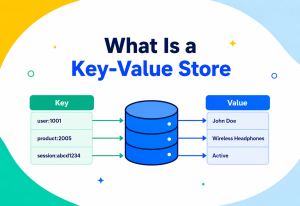
Q204. What is a key-value store, with an example?
Q205. What is a document database, with an example?
Q206. What is a graph database used for?
Q207. What does ACID stand for?
Q208. What is atomicity in a database transaction?
Q209. What is isolation in a database transaction?
Q210. What is durability in a database transaction?
Q211. What is database normalization?
Q212. What is database denormalization, and why would you do it?
Q213. What is an index in a database?
Q214. What is a downside of adding too many indexes?
Q215. What is a primary key?
Q216. What is a foreign key?
Q217. What is a database transaction?
Q218. What is database connection pooling?
Q219. Why does connection pooling improve performance?
Q220. What is a database read replica?
Q221. What is master-slave (primary-replica) replication?
Q222. What is multi-master replication?
Q223. What is database partitioning?
Q224. What is a hot partition problem?
Q225. How can you avoid hot partitions when sharding?
Q226. What is a database migration?
Q227. Why is caching important in system architecture?
Q228. What is a cache-aside pattern?
Q229. What is a write-through cache?
Q230. What is a write-behind cache?
Q231. What is cache eviction?
Q232. What is the LRU cache eviction policy?
Q233. What is a distributed cache used for?
Q234. What is data warehousing?
Q235. What is the difference between OLTP and OLAP?
Q236. What is ETL?
Q237. What is a data lake?
Q238. What is the difference between a data lake and a data warehouse?
Q239. What is schema-on-read vs schema-on-write?
Q240. What is a materialized view?
Q241. Why might an architect choose polyglot persistence?
Q242. What is a connection timeout, and why does it matter?
Q243. What is database locking?
Q244. What is a deadlock in databases?
Q245. What is optimistic locking?
Q246. What is pessimistic locking?
Q247. What is data governance?
Q248. Why is data architecture important for an Architect role?
Q249. What is a data model?
Q250. What factors should guide choosing between a relational and NoSQL database for a new system?
06
APIs, Integration & Messaging
Nearly every Architect role involves connecting systems — REST or GraphQL APIs, queues, event streams. This chapter is the integration vocabulary interviews consistently draw on.
Q251. What is an API?
Q252. What is REST?
Q253. What are the main HTTP methods used in REST APIs?
Q254. What is the difference between PUT and PATCH?
Q255. What does it mean for an API to be stateless?
Q256. What is a status code, and why does it matter?
Q257. What is the difference between 401 and 403 status codes?
Q258. What is API versioning?
Q259. What are common approaches to API versioning?
Q260. What is GraphQL?
Q261. What is a key benefit of GraphQL over REST?
Q262. What is a downside of GraphQL?
Q263. What is gRPC?
Q264. When would you choose gRPC over REST?
Q265. What is API rate limiting?
Q266. What is API throttling?
Q267. What is an API contract?
Q268. What is OpenAPI/Swagger?
Q269. What is backward-compatible API design?
Q270. What is a breaking change in an API?
Q271. What is authentication?
Q272. What is authorization?
Q273. What is the difference between authentication and authorization?
Q274. What is OAuth 2.0, in simple terms?
Q275. What is a JWT (JSON Web Token)?
Q276. What is API integration middleware?
Q277. What is a message broker?
Q278. What is the difference between a message queue and a topic (publish-subscribe)?
Q279. What is Kafka commonly used for?
Q280. What is the difference between a message queue like RabbitMQ and a streaming platform like Kafka?
Q281. What is at-least-once delivery?
Q282. What is exactly-once delivery?
Q283. What is message deduplication?
Q284. What is an Enterprise Service Bus (ESB)?
Q285. Why have many organizations moved away from heavy ESB architectures?
Q286. What is webhook-based integration?
Q287. What is the difference between polling and webhooks for integration?
Q288. What is API composition?
Q289. What is a Backend-for-Frontend (BFF)?
Q290. What is data transformation in an integration context?
Q291. What is schema evolution?
Q292. Why is API documentation important for an Architect to prioritize?
Q293. What is a timeout, and why should every external call have one?
Q294. What is a retry policy?
Q295. What is exponential backoff?
Q296. What is a dead-letter queue?
Q297. What is API gateway rate limiting used to protect against?
Q298. What is HATEOAS in REST APIs?
Q299. What is the difference between synchronous and event-driven integration?
Q300. Why is integration architecture especially critical during a company merger?
07
Cloud, DevOps & Infrastructure
Architects today reason about cloud infrastructure, deployment pipelines and cost — not only application-level design. This chapter covers the infrastructure vocabulary.
Q301. What is cloud computing, in simple terms?
Q302. What are the three main cloud service models?
Q303. What is IaaS, with an example?
Q304. What is PaaS, with an example?
Q305. What is SaaS, with an example?
Q306. What is the difference between public, private, and hybrid cloud?
Q307. What is multi-cloud strategy?
Q308. What is vendor lock-in?
Q309. What is Infrastructure as Code (IaC)?
Q310. Why is Infrastructure as Code valuable?
Q311. What is a common tool used for Infrastructure as Code?
Q312. What is CI/CD?
Q313. What is Continuous Integration?
Q314. What is Continuous Deployment?
Q315. What is the difference between Continuous Delivery and Continuous Deployment?
Q316. What is a build pipeline?
Q317. What is blue-green deployment?
Q318. What is canary deployment?
Q319. What is the difference between blue-green and canary deployments?
Q320. What is a rollback?
Q321. What is auto-scaling?
Q322. What is a virtual machine?
Q323. What is serverless computing?
Q324. What is a common example of a serverless service?
Q325. What is a downside of serverless computing?
Q326. What is a container registry?
Q327. What is Docker?
Q328. What is the difference between a Docker image and a Docker container?
Q329. What is infrastructure monitoring?
Q330. What is observability?
Q331. What are the three pillars of observability?
Q332. What is a metric, in monitoring terms?
Q333. What is a log, in monitoring terms?
Q334. What is an alert, in monitoring terms?
Q335. What is infrastructure cost optimization?
Q336. Why has cloud cost management become a core architectural responsibility?
Q337. What is a Content Delivery Network role in infrastructure?
Q338. What is DevOps, in simple terms?
Q339. What is DevSecOps?
Q340. What is Infrastructure drift?
Q341. What is a load testing tool used for?
Q342. What is capacity planning in a cloud context?
Q343. What is a Content Management System relevance to architecture?
Q344. What is “build vs buy” in architecture decisions?
Q345. What is edge computing?
Q346. Why might edge computing matter for certain architectures?
Q347. What is high availability infrastructure design?
Q348. What is a multi-region deployment?
Q349. What is disaster recovery planning at the infrastructure level?
Q350. What certifications are commonly valued for Architect roles in India?
08
Security Architecture Basics
With regulatory pressure and rising cyber-risk, security-by-design is a baseline expectation now, not a specialist add-on. This chapter covers the foundational security concepts every Architect interview probes.
Q351. What is security architecture?
Q352. What does “security by design” mean?
Q353. What is the principle of least privilege?
Q354. Why is the principle of least privilege important?
Q355. What is defense in depth?
Q356. What is encryption?
Q357. What is the difference between encryption at rest and encryption in transit?
Q358. What is symmetric encryption?
Q359. What is asymmetric encryption?
Q360. What is hashing, and how is it different from encryption?
Q361. Why are passwords hashed instead of encrypted?
Q362. What is salting a password hash?
Q363. What is SQL injection?
Q364. How do you prevent SQL injection?
Q365. What is Cross-Site Scripting (XSS)?
Q366. What is Cross-Site Request Forgery (CSRF)?
Q367. What is a firewall?
Q368. What is a Web Application Firewall (WAF)?
Q369. What is DDoS?
Q370. How can architecture help defend against DDoS attacks?
Q371. What is a VPN?
Q372. What is Zero Trust security?
Q373. Why has Zero Trust become more popular in recent years?
Q374. What is multi-factor authentication (MFA)?
Q375. What is Single Sign-On (SSO)?
Q376. What is role-based access control (RBAC)?
Q377. What is attribute-based access control (ABAC)?
Q378. What is data masking?
Q379. What is tokenization in security?
Q380. What is a security audit?
Q381. What is penetration testing?
Q382. What is a vulnerability scan?
Q383. What is secure API design?
Q384. What is API key management?
Q385. What is secrets management?
Q386. Why should secrets never be hardcoded in source code?
Q387. What is compliance, in a security context?
Q388. What is GDPR, briefly?
Q389. Why do architects need to understand compliance requirements?
Q390. What is data residency?
Q391. What is a security incident response plan?
Q392. What is the shared responsibility model in cloud security?
Q393. What is input validation, and why does it matter for security?
Q394. What is a security patch, and why is timely patching important?
Q395. What is threat modeling?
Q396. What is the OWASP Top 10?
Q397. Why is security often described as “everyone responsibility”, not just the security team?
Q398. What is a security review, and when should it happen in the architecture process?
Q399. How does an architect balance security with usability?
Q400. Why is security considered a non-functional requirement rather than a feature?
09
Performance, Scalability, Reliability & Resilience
Beyond making a system work, Architects are judged on whether it works well under real-world stress. This chapter covers the vocabulary behind performance, scaling and resilience decisions.
Q401. What is performance in the context of software architecture?
Q402. What is a performance bottleneck?
Q403. How would you approach diagnosing a slow system?
Q404. What is profiling?
Q405. What is the difference between scalability and performance?
Q406. What are the two main approaches to scaling a system?
Q407. What is elasticity in cloud architecture?
Q408. What is the difference between scalability and elasticity?
Q409. What is resilience in system design?
Q410. What is fault tolerance?
Q411. What is the difference between fault tolerance and high availability?
Q412. What is a timeout role in building resilient systems?
Q413. What is the circuit breaker pattern used for, in resilience terms?
Q414. What is a cascading failure?
Q415. How can you prevent cascading failures in a distributed system?
Q416. What is load testing?
Q417. What is stress testing?
Q418. What is the difference between load testing and stress testing?
Q419. What is a performance benchmark?
Q420. What is response time?
Q421. What is P99 latency, and why do architects care about it?
Q422. Why is average latency often a misleading metric?
Q423. What is queueing theory relevance to system design?
Q424. What is Little Law?
Q425. What is horizontal scaling limitation?
Q426. What is database read/write splitting used for?
Q427. What is connection pooling effect on scalability?
Q428. What is asynchronous processing effect on scalability?
Q429. What is a queue role in improving system resilience?
Q430. What is graceful degradation, with an example?
Q431. What is a retry storm?
Q432. How does exponential backoff help prevent retry storms?
Q433. What is jitter in retry strategies?
Q434. What is capacity headroom, and why is it important?
Q435. What is a performance SLA?
Q436. What is vertical scaling main limitation?
Q437. What is the relationship between caching and scalability?
Q438. What is a stateless architecture benefit for scaling?
Q439. What is sticky session, and why can it hurt scalability?
Q440. What is database connection exhaustion?
Q441. What is a memory leak, and why does it threaten reliability?
Q442. What is chaos engineering purpose in improving resilience?
Q443. What is a runbook?
Q444. What is a post-incident review (postmortem)?
Q445. Why should postmortems be blameless?
Q446. What is mean time to recovery (MTTR)?
Q447. What is mean time between failures (MTBF)?
Q448. How would you explain the trade-off between consistency and performance to a business stakeholder?
Q449. Why is “designing for failure” considered a core architectural mindset?
Q450. How do you explain the importance of scalability planning to a non-technical stakeholder?
10
Leadership, Stakeholder Management, Behavioral & Career
At senior levels, technical correctness alone does not close the offer. Panels test leadership judgment, communication, stakeholder skill and career narrative. This final chapter covers that ground.
Q451. Why do Architect interviews include leadership and behavioral questions?
Q452. What is the STAR method for answering behavioral questions?
Q453. How would you answer “Tell me about a time you disagreed with a decision”?
Q454. How should an architect handle disagreement with a senior stakeholder?
Q455. What does “disagree and commit” mean?
Q456. How would you explain a complex technical trade-off to a non-technical stakeholder?
Q457. How do you manage technical debt as an architect?
Q458. How would you handle a situation where a deadline pressures you to cut architectural corners?
Q459. What is stakeholder management?
Q460. How do you handle conflicting requirements from different stakeholders?
Q461. How would you describe your role in mentoring other engineers?
Q462. What makes technical leadership different from being a manager?
Q463. How would you convince a team to adopt a new technology?
Q464. How do you stay updated with new technologies as an architect?
Q465. How would you evaluate whether to adopt a new technology in your architecture?
Q466. What does “proactive strategic ownership” mean for an architect?
Q467. How would you demonstrate proactive ownership in an interview answer?
Q468. How do you handle a situation where you inherited a poorly designed system?
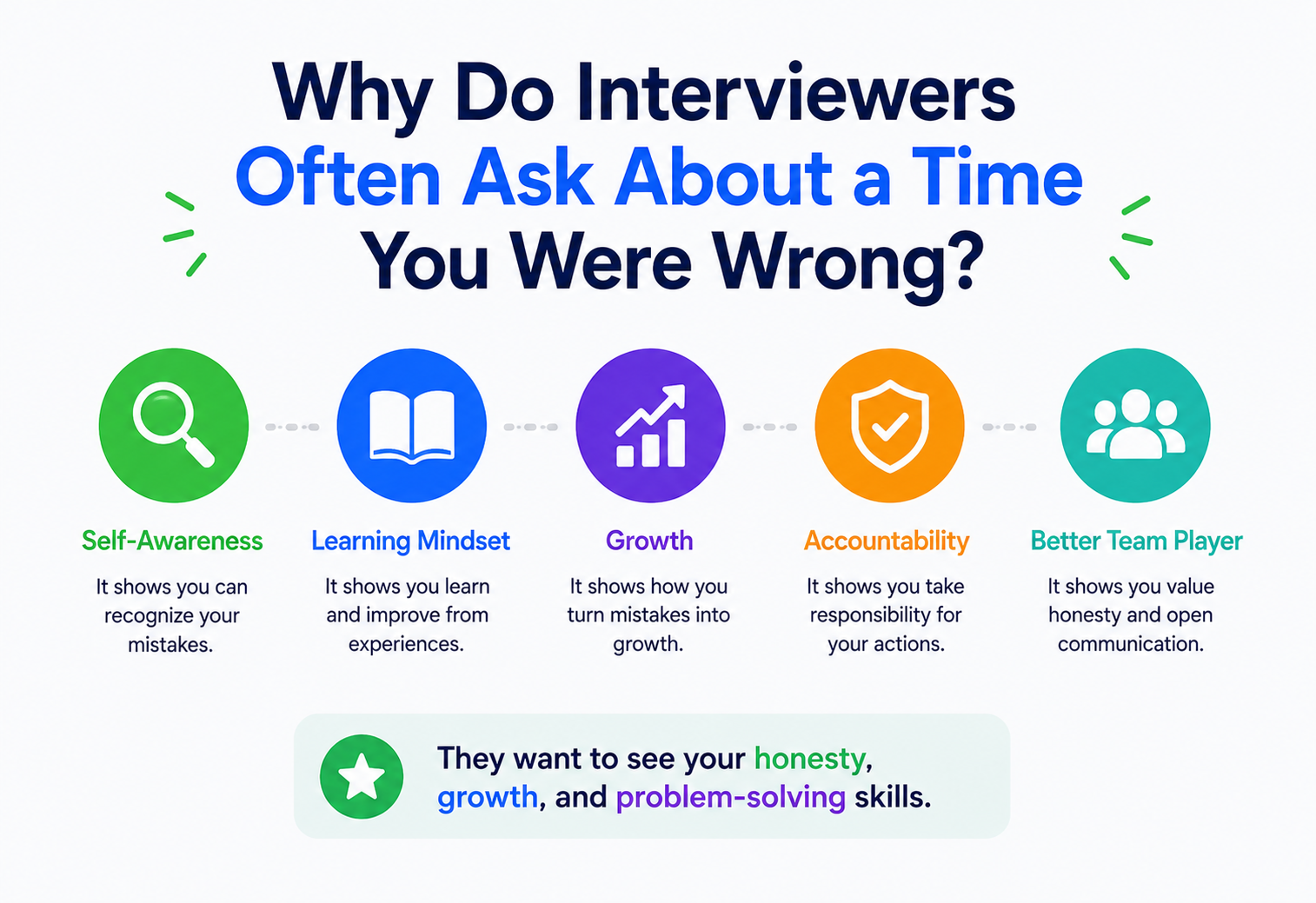
Q469. Why do interviewers often ask about a time you were wrong?
Q470. How would you answer “Describe a time your architecture decision failed”?
Q471. How do you balance short-term business needs with long-term architectural health?
Q472. What is your approach to reviewing another engineer design?
Q473. How would you explain your architectural philosophy in an interview?
Q474. How do you handle scope creep in an architecture project?
Q475. How would you approach a project with unclear requirements?
Q476. What is your approach to documentation as an architect?
Q477. How do you handle a team member who resists your architectural direction?
Q478. How would you describe good communication skills for an architect?
Q479. What is the role of empathy in technical leadership?
Q480. How would you handle being asked to support a decision you disagree with?
Q481. How do you prioritize competing architectural improvements with limited time?
Q482. What does “org-wide architectural influence” typically mean?
Q483. How would you build org-wide influence as an architect?
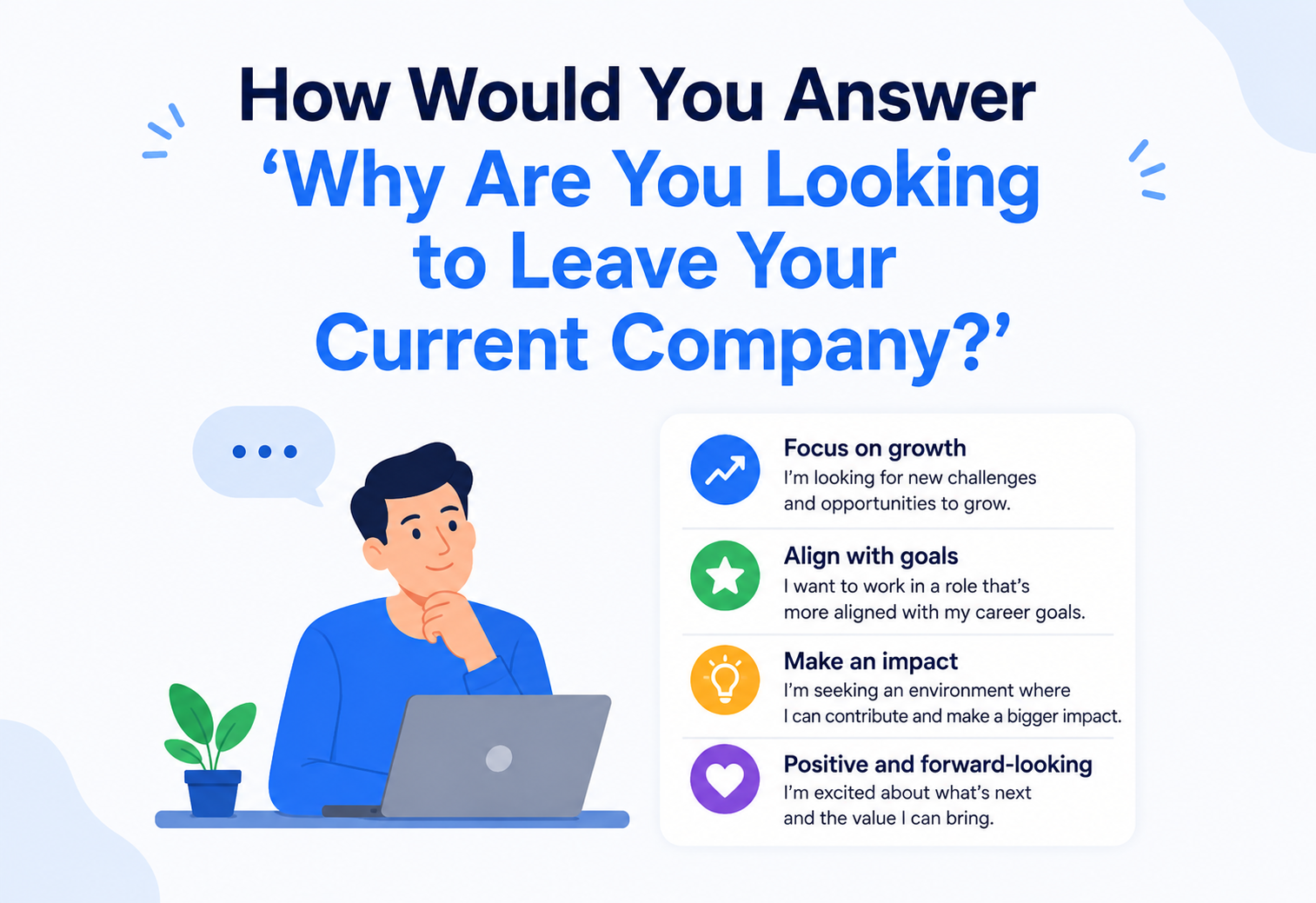
Q484. How would you answer “Why are you looking to leave your current company?”
Q485. How would you answer “Why should we hire you as our Architect?”
Q486. What should you research about a company before an Architect interview?
Q487. How do you evaluate whether a company engineering culture is healthy?
Q488. What questions should you ask your interviewer as a candidate?
Q489. How would you handle negotiating your compensation for an Architect role?
Q490. What is a reasonable way to handle a competing counter-offer from your current employer?
Q491. How do you explain a career gap or a lateral move in your resume?
Q492. How would you demonstrate business acumen in an Architect interview?
Q493. What does it mean to “think like a CTO” as an architect?
Q494. How would you handle a request to make an unrealistic timeline work?
Q495. What is the importance of active listening in stakeholder meetings?
Q496. How would you describe handling ambiguity as an architect?
Q497. Why do architects need negotiation skills?
Q498. How would you handle receiving critical feedback about your architecture from a peer?
Q499. How would you close out a job change process professionally with your current employer?
Q500. What long-term habit most consistently separates senior architects from good developers?