What Is Multi-Master Replication?

What Is Multi-Master Replication?

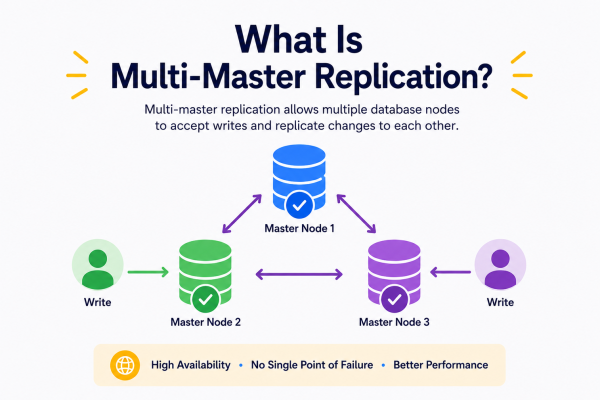
A complete, beginner-to-production guide to multi-master replication (also called multi-primary or active-active replication): the classroom-whiteboard analogy for why one master can’t serve a global user base, the historical arc from 1960s mainframes through 1980s-90s primary-replica setups, 1990s Lotus Notes collaborative sync, and the 2000s explosion driven by Amazon, Google, and…
Read More
What Is OAuth 2.0?

What Is OAuth 2.0?

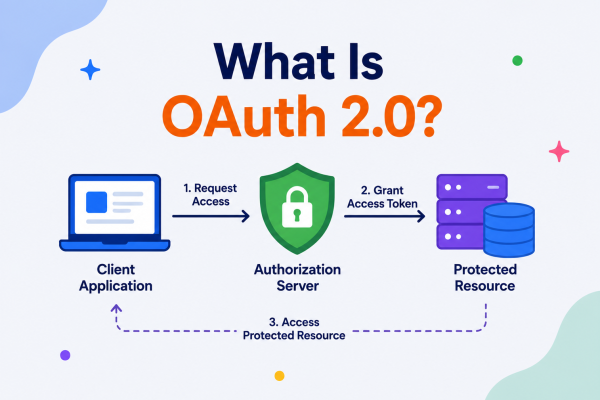
A ground-up tour of OAuth 2.0 — the delegated-authorization protocol behind “Sign in with Google,” Slack integrations, Open Banking, and every “connect this to that” flow on the modern internet. Covers the four roles (Resource Owner, Client, Authorization Server, Resource Server), the core artifacts (authorization code, access token, refresh token,…

Read More
What is a Multi-Region Deployment?

What is a Multi-Region Deployment?

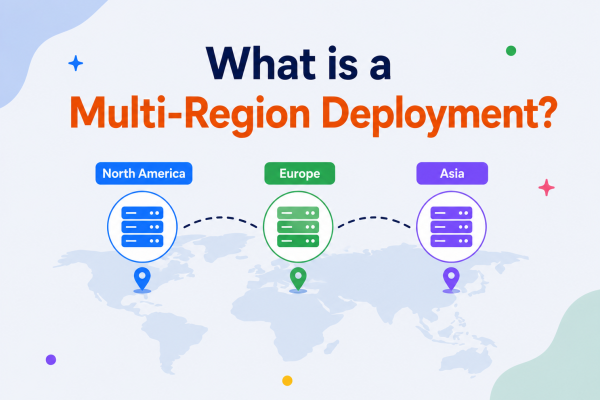
A complete, beginner-to-production walkthrough of multi-region deployment: the many-kitchens pizza analogy and the 1990s-to-today evolution timeline (single data center, multi-server single site, mid-2000s CDNs, 2010s cloud regions, 2015+ compliance-driven multi-region), why the speed of light and two-thirds signal velocity through fiber make it a physics problem rather than a code…

Read More
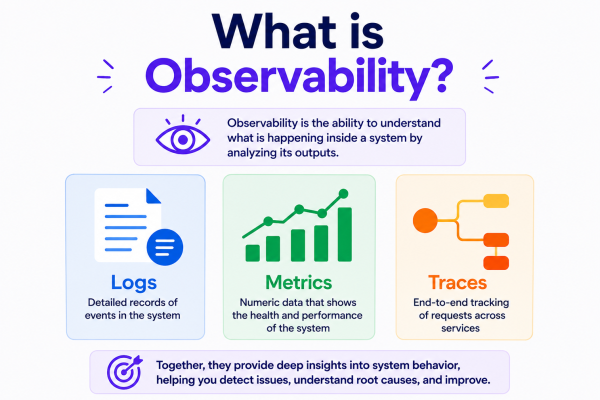
What is Observability?

What is Observability?

A complete, beginner-to-production walkthrough of software observability: the 1960 control-theory origin of the word from Rudolf Kalman, the submarine and dashboardless-car analogies, and the 2010s distributed-systems pressure (Google, Twitter, Uber, thousands of containers) that forced the industry to move beyond classic monitoring; a monitoring-versus-observability comparison table explaining known-question dashboards versus…

Read More
OLTP vs OLAP

OLTP vs OLAP

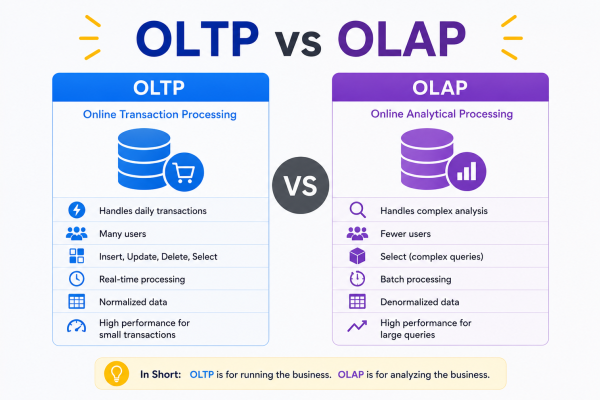
A beginner-to-production deep dive into OLTP vs OLAP — how transactional and analytical databases differ in storage layout, schema design, ACID guarantees, MVCC, columnar scans, MPP scatter-gather, ETL and CDC pipelines, CQRS, and the real-world architectures behind Amazon, Netflix, Uber, Swiggy, Flipkart and Indian banking systems.

Read More
Why Are Passwords Hashed Instead of Encrypted?

Why Are Passwords Hashed Instead of Encrypted?

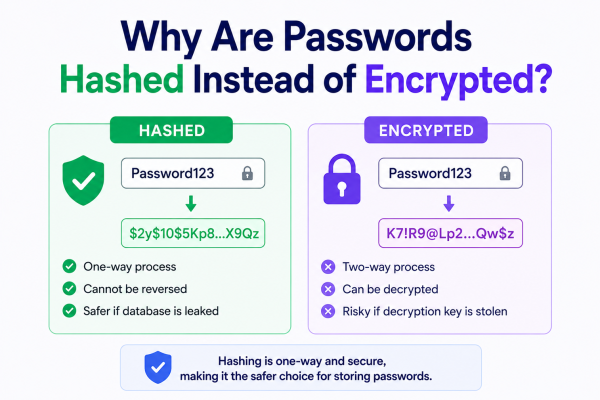
A complete, beginner-to-production walkthrough of why every well-built login system stores password hashes instead of encrypted passwords: the 1962 MIT CTSS printer incident, Robert Morris Sr.’s 1970s Unix crypt-with-salt scheme, and the timeline through bcrypt (1999), PBKDF2 (2000), scrypt (2009), and Argon2id’s 2015 Password Hashing Competition win; the core motivation…

Read More