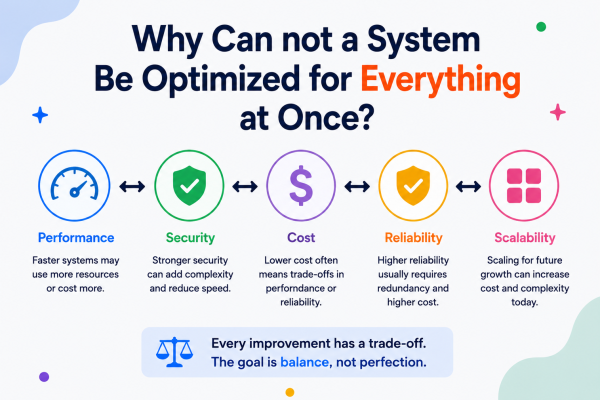
Why Can not a System Be Optimized for Everything at Once?

Why Can not a System Be Optimized for Everything at Once?

A plain-language, beginner-to-architect walkthrough of why no software system can be optimized for everything at once — what optimization actually means, the three unavoidable reasons total optimization is impossible (shared limited resources, mathematical opposites, and the weight of every added feature), the four ingredients (time, space, money, simplicity) that almost…
Read More
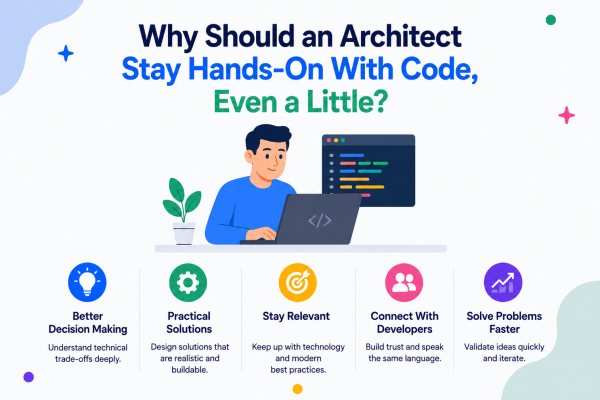
Why Should an Architect Stay Hands-On With Code, Even a Little?

Why Should an Architect Stay Hands-On With Code, Even a Little?

A plain-language walkthrough of why software architects should stay hands-on with code — what “hands-on” actually means (proofs-of-concept, code review, occasional tickets, pair programming, incident response), how ivory-tower architecture quietly develops when architects stop coding, seven concrete reasons hands-on habits pay off (grounded decisions, credibility, sharper trade-offs, crisis usefulness, honest…

Read More
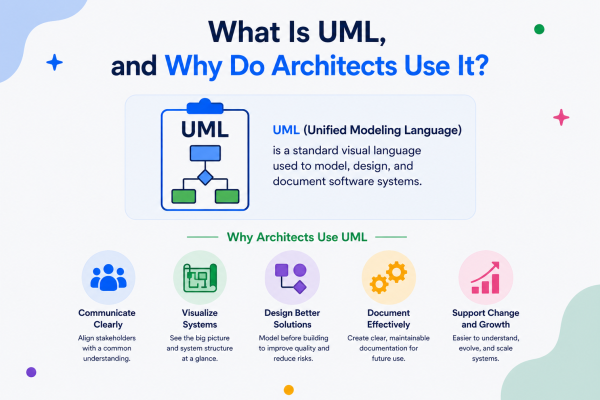
What Is UML, and Why Do Architects Use It?

What Is UML, and Why Do Architects Use It?

A complete, beginner-friendly walkthrough of the Unified Modeling Language — the standardised visual notation that architects use to draw software the same way structural engineers draw buildings. Opens with a multi-country bridge-building analogy: without shared blueprint symbols, one engineer’s triangle means “support beam” and another’s means “danger, avoid.” UML fixes…

Read More
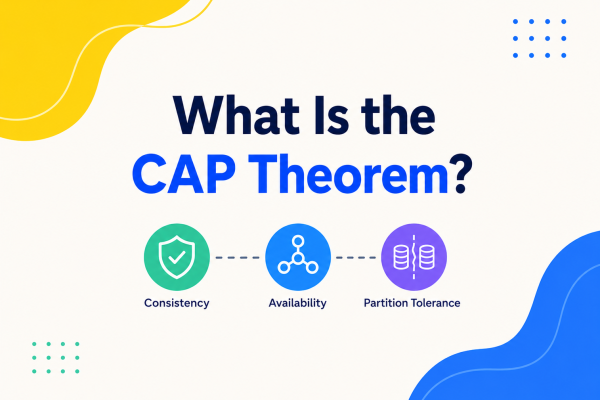
What Is the CAP Theorem?

What Is the CAP Theorem?

A plain-language, beginner-to-architect walkthrough of the CAP theorem: what Consistency, Availability, and Partition tolerance actually mean; why the trade-off is unavoidable during network partitions; how CP systems (HBase, Spanner, ZooKeeper, etcd) differ from AP systems (Cassandra, DynamoDB, Couchbase, Riak); how CAP relates to ACID and BASE; how the extended PACELC…

Read More
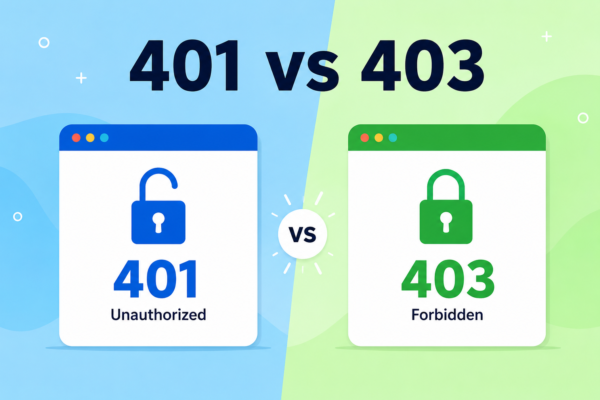
401 vs 403

401 vs 403

A complete guide to the two most confused HTTP status codes: 401 Unauthorized (who are you?) vs 403 Forbidden (what are you allowed to do?). Covers RFC 7235, the two-gate model, WWW-Authenticate, JWT anatomy, OAuth 2.0 flow, Spring Security filter examples, microservices split of coarse authentication at the gateway vs…

Read More
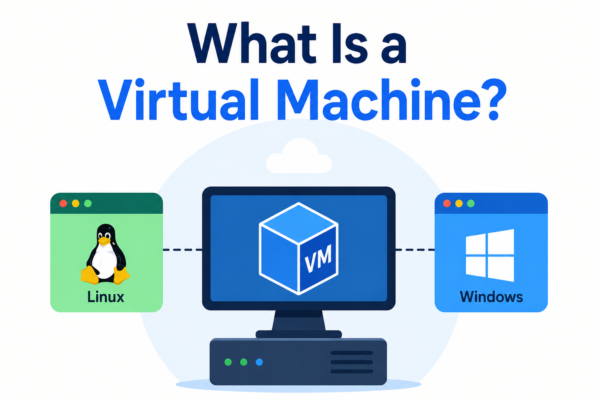
What Is a Virtual Machine?

What Is a Virtual Machine?

A ground-up walkthrough of virtual machines: the history from IBM mainframes and VMware to AWS Nitro and Google Compute Engine; hypervisor internals (VT-x/AMD-V, trap-and-emulate, nested paging, VirtIO, SR-IOV); the VM lifecycle, live migration, snapshots and multi-AZ HA; security and multi-tenancy; monitoring metrics like CPU Ready Time and ballooning; cloud deployment…

Read More
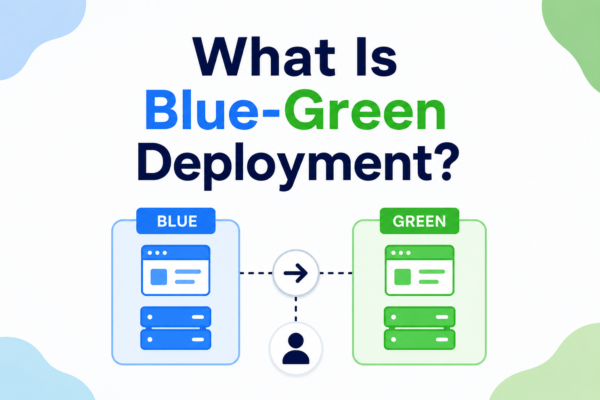
What Is Blue-Green Deployment?

What Is Blue-Green Deployment?

A ground-up, beginner-to-production guide to blue-green deployment: the history from Humble and Farley’s Continuous Delivery to modern cloud platforms, the architecture and control-loop mechanics, connection draining and warm-up, expand/contract database migrations, monitoring and automated rollback triggers, cloud implementations on AWS, Azure, GCP and Kubernetes, and real-world examples from Netflix, Amazon,…

Read More
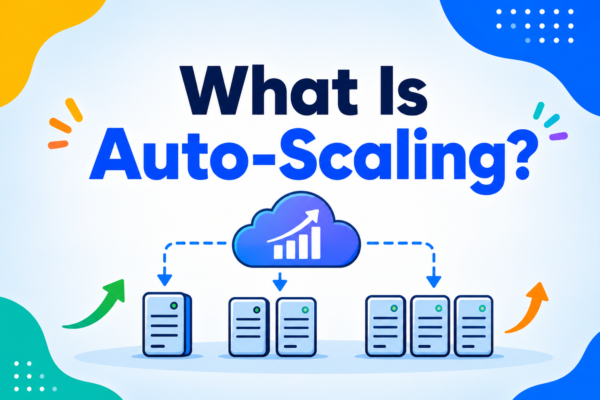
What Is Auto-Scaling?

What Is Auto-Scaling?

A ground-up walkthrough of auto-scaling: the history from mid-1990s data-centre capacity planning to EC2, Kubernetes HPA and predictive ML-based scaling; the architecture, control-loop math, and code samples that make it work; cloud implementations across AWS, GCP, Azure and Kubernetes; the distributed-systems trade-offs (CAP, consensus, sharding, replication) that show up at…

Read More